
If reducing plastic waste were easy, we’d all be doing it already.
Instead, it competes with convenience, cost of living pressures and the general chaos of everyday life. And the laundry pile does not wait for perfect environmental intentions!
When we asked our community what sustainable living means to them, we received thoughtful, honest reflections on responsibility, family and the kind of future people want to help shape.
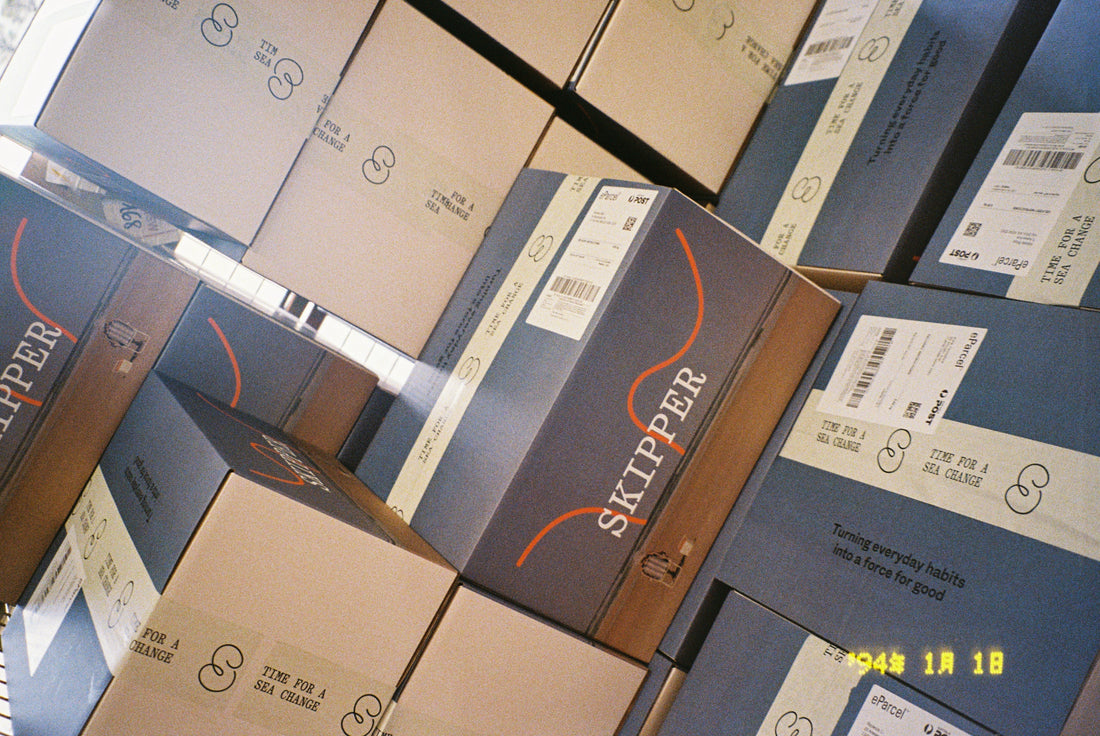
To remove the biggest barrier to getting started, we gifted 500 Essentials Bundles designed to replace high-use, single-use plastic products with refill systems built for long-term use.
Yes, the environmental impact matters, but the human side of it matters just as much.

Why Refill Systems Matter for Reducing Plastic Waste At Home
Most households already want to reduce plastic waste, and what slows them down is friction.
The belief that sustainable living in Australia requires a total lifestyle overhaul, that eco-friendly products cost more and the uncertainty about where to begin.
When that starting line disappeared, we saw something shift.
People don’t need convincing to care about the planet, they just need sustainable home products that fit into normal routines.
Refill systems and refillable cleaning products work because they remove repeat plastic purchases from everyday essentials like hand wash, body wash and cleaning products. Instead of rebuying bulky plastic bottles, households reuse durable containers and reorder concentrated refills.
Less plastic produced, disposed, and less waste entering circulation in the first place.
That is where real environmental impact begins…
Real Customer Responses: Why Sustainability Is Personal
The responses we got were genuinely special.
They were generous, funny, thoughtful, and sometimes vulnerable. People took the time to explain why reducing plastic waste matters in their specific lives, not in theory.
We heard from:
 There was no performance in these responses. No one claimed to be zero waste or have it perfected. It was simply people choosing to reduce waste where they can, when they can.
And that quiet consistency is powerful.
The desire to live more sustainably exists across ages, incomes and postcodes. What people are looking for are systems that make that desire practical.
The Environmental Power of Refill Systems
Plastic reduction works when it integrates into habit.
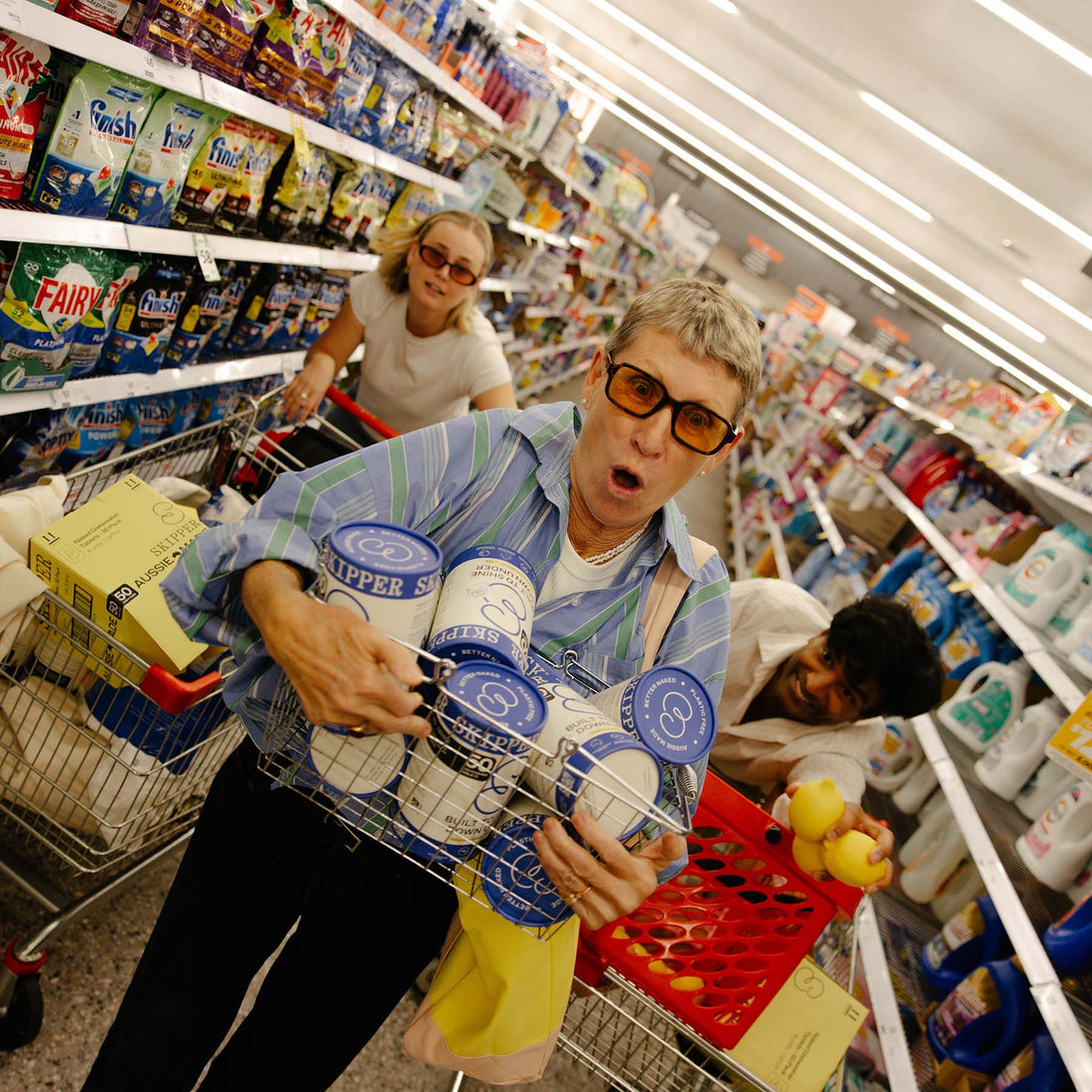
Each Essentials Bundle replaces approximately 12 single-use plastic bottles immediately by introducing reusable bottles and concentrated refill formats for high-frequency products. Across 500 households, that equates to roughly 6,000 plastic bottles avoided straight away.
But the longer-term impact is where refill systems prove their value.
Refill systems sit higher in the waste hierarchy than recycling because they prevent packaging from being created in the first place. Prevention beats clean-up.
Instead of producing, transporting and discarding a new plastic bottle every few weeks, households reuse durable containers and simply top up with concentrated refills.
That shift reduces:
- Plastic production
- Transport weight
- Shipping emissions
- Repeat packaging waste
- Household bin volume
Over time, these small changes compound. That is how sustainable living becomes measurable. Of course, refill only works if it is sustainable financially as well as environmentally. If reducing plastic waste costs significantly more, or requires constant small top-up orders, it becomes harder to maintain.
That is why consolidated refill ordering matters.
When households stock up on refills in one go, it reduces delivery frequency, lowers transport emissions per order and cuts down excess packaging across multiple shipments.
It is also why we created Refill & Save. Rewarding large refill-only orders, making it more affordable to maintain refill systems long term while also reducing shipping-related emissions.
- Fewer deliveries.
- Lower CO₂ per household.
- Less packaging overall.
Refill works best when it is easy, affordable and built into routine. That is how reducing plastic waste at home scales across Australia.
What This Signals About the Future of Sustainable Homes in Australia
The responses made one thing clear: Australians are not waiting to care about the environment, they already do.
What they want are sustainable home products that are realistic, affordable and easy to maintain long term. Not dramatic lifestyle overhauls, just practical refill systems that reduce plastic waste week after week.
When sustainable living becomes routine, it becomes resilient. And when enough households make that shift, the environmental impact grows far beyond any single giveaway.

To everyone who shared their story, nominated someone they admire or simply put their hand up to try something different, thank you.
You reminded us that sustainable living in Australia is not about being flawless, it’s about showing up, making better choices where possible and sticking with them.
The Skipper Team