
TL;DR (too long, didn’t read)
Australia put 6.84 million tonnes of packaging on the market last year.
41% went to landfill. Only ~20% of plastic gets recycled.
This isn’t a rinsing problem, it’s a design problem.
We back EPR because it makes brands pay for waste and pushes us toward a circular economy.
Better economics, better design = less junk.
The most effective way to reduce waste is to implement Extended Producer Responsibility (EPR) in Australia.
We’ve all experienced it.
- A moisturiser packaged in tub 3x larger than the product itself
- A tiny product packed in a giant box
- A pack of supermarket snacks only 25% full
We’re told to rinse, sort, separate and recycle harder. We think that’s unfair.
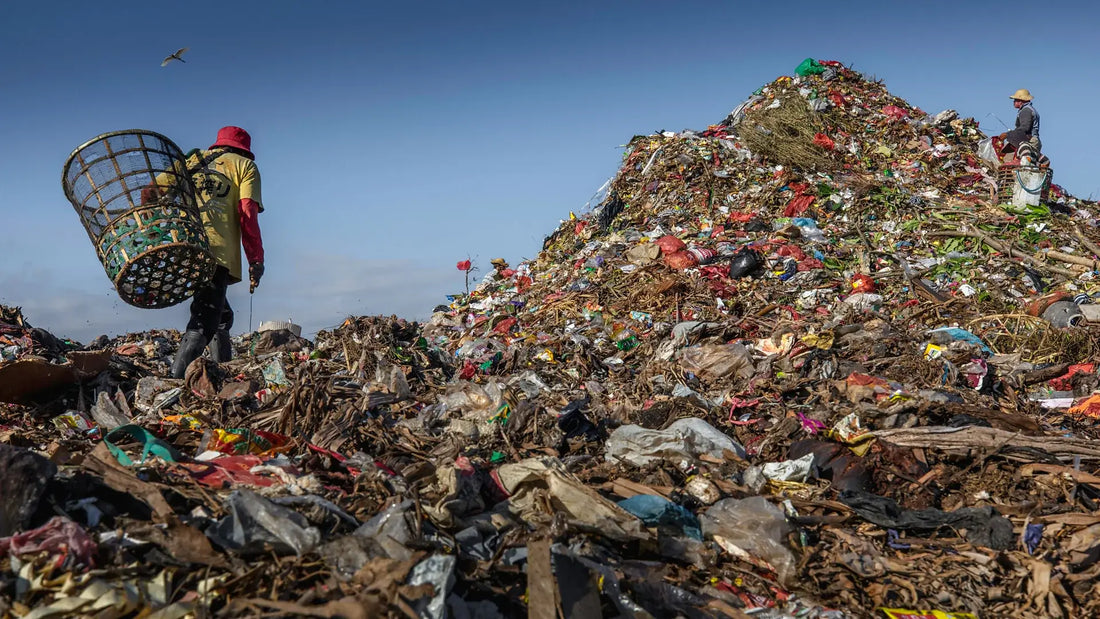
Australia placed 6.84 million tonnes of packaging on the market in 2023-24, yet around 41% of that ended up in landfill instead of being recovered or recycled.
If a product is designed to create unnecessary waste, the burden shouldn’t sit mostly with households. It should sit with the brands that designed it that way.
The real problem: the true cost of waste isn’t priced in
Most businesses are built to optimise for profit. That’s not evil, it’s how incentives work.
But when waste and pollution aren’t properly priced (much like CO2), bad design stays cheap:
- products fail early
- packaging is oversized
- materials are mixed and hard to recover
- parts can’t be repaired or replaced
- retail formats are built to win on the shelf, not reduce waste
The cost gets pushed onto everyone else, households, taxpayers, government and the environment.
That’s exactly why we support EPR: it starts putting the cost of bad design back where it belongs.
But EPR isn’t just about fees, it’s a practical lever for driving a shift toward a circular economy, where materials are kept in use longer, waste is designed out, and responsibility follows the product lifecycle.
The solution: EPR (Extended Producer Responsibility)
Extended Producer Responsibility (EPR) is the simplest way to rebalance that.
In plain English: if a brand puts a product into the market, that brand should help pay for the system that manages it.
It’s blunt, but it has to be. It doesn’t depend on every brand suddenly becoming virtuous. It changes the economics.
And when the economics change, design changes.
How EPR changes packaging design in practice
This is the bit that matters most.
A strong EPR policy in Australia (especially one with fee settings that reward better design) can push brands to rethink decisions they currently make for shelf appeal, short-term margin or convenience.
If waste-heavy formats cost more, refillable and repairable systems become more commercially attractive.
That’s the point of EPR: not just paying for waste after the fact, but improving design decisions upstream.
Where Skipper fits in
At Skipper, this is already how we design. Why? We’re an environmental enterprise where profit is not our north star.
We’re not waiting for policy or economics to tell us waste matters. We build for waste reduction by default. In other words, we design with circular economy principles in mind, keeping materials in use longer, choosing recoverable inputs, and reducing waste at every stage.
That shows up in practical choices, take our hand wash as an example:
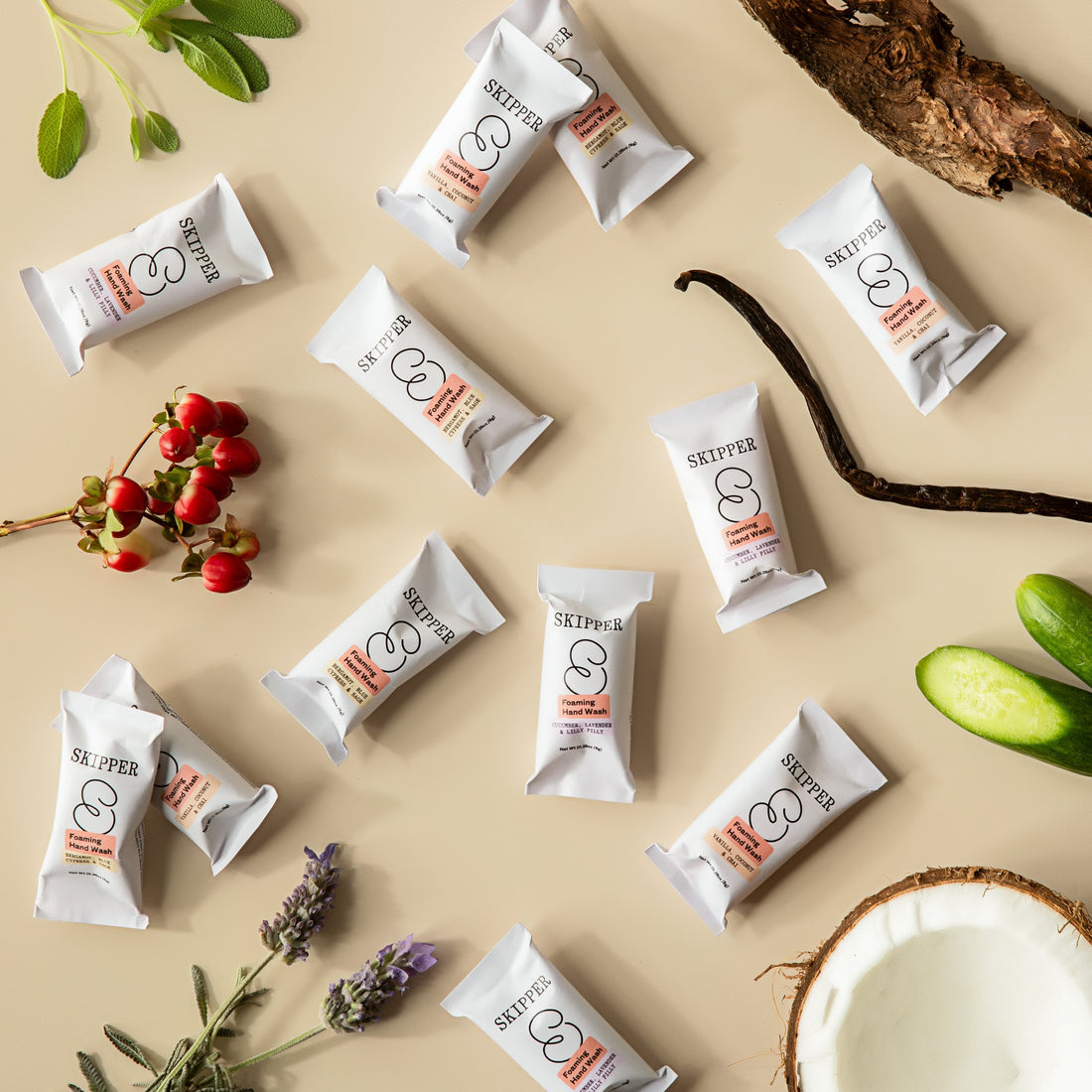
- Product size: Our hand wash tablets are 23x smaller than a traditional bottle of soap with over 98% less plastic packaging
- Product system: All bottles are refillable
- Bottle design: Using recycled glass and recycled HDPE
- Pump reliability: Rather than replace entire pumps, we’re the only brand in the world to offer pump filter-replacements
- Purchasing frequency: We encourage Skippers to buy once or twice a year to reduce freight packaging
We’re not perfect, but our design philosophy is that waste is a design flaw and we’re always squeezing out ways to improve.
Why we’re pushing for EPR in Australia
We hate waste. Part of this means we advocate for policy changes.
Australia is actively reforming packaging regulation, with the Federal Government stating the reform is intended to improve packaging outcomes, drive better packaging design and recovery systems, and minimise waste.
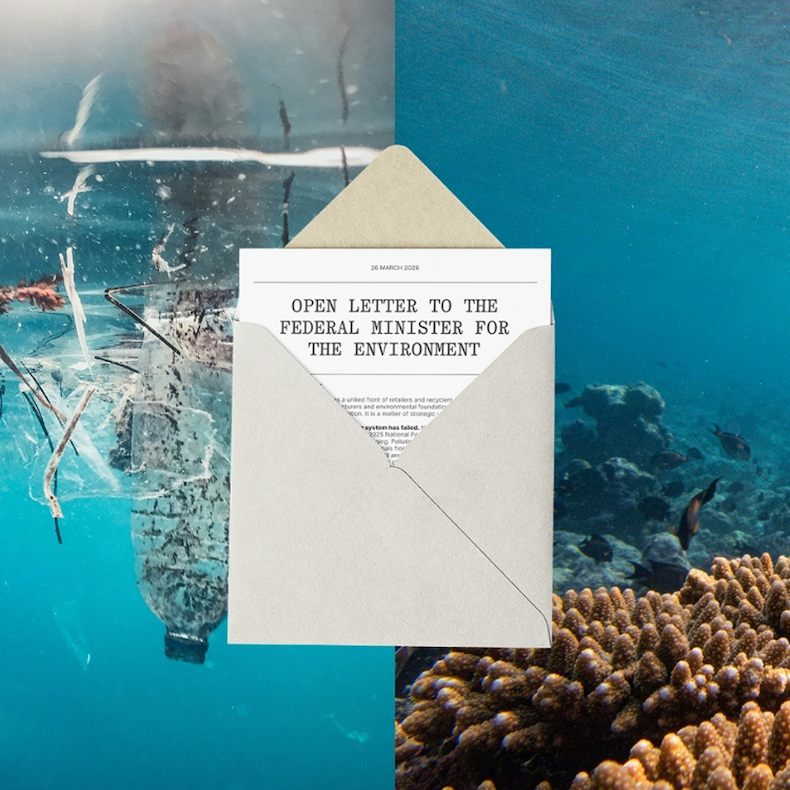
We’ve made a submission with WWF to the Australian Government consultation on packaging reforms, advocating for EPR.
We’re also a task force member of Circular Australia, because this is a systems problem, not just a product problem.
The bottom line
Most people can spot bad packaging design in two seconds.
Too much plastic. Too much box. Short product life.
The frustrating part is that the system often rewards it, then tells us to clean it up.
EPR is our preferred option because it flips that logic and helps shift Australia from a linear ‘take-make-dispose’ system toward a true circular economy, where materials stay in productive use longer and fewer resources are wasted.
If a brand creates more junk, it should carry more responsibility.
If a brand designs better, it should be rewarded.
That’s how we get better products, better packaging and less waste in Australia.
Not by asking people to recycle harder.
By forcing brands to design better.
— Lachlan, Founder
Interested in the details, we recommend having a read of this report from WWF & Accenture.