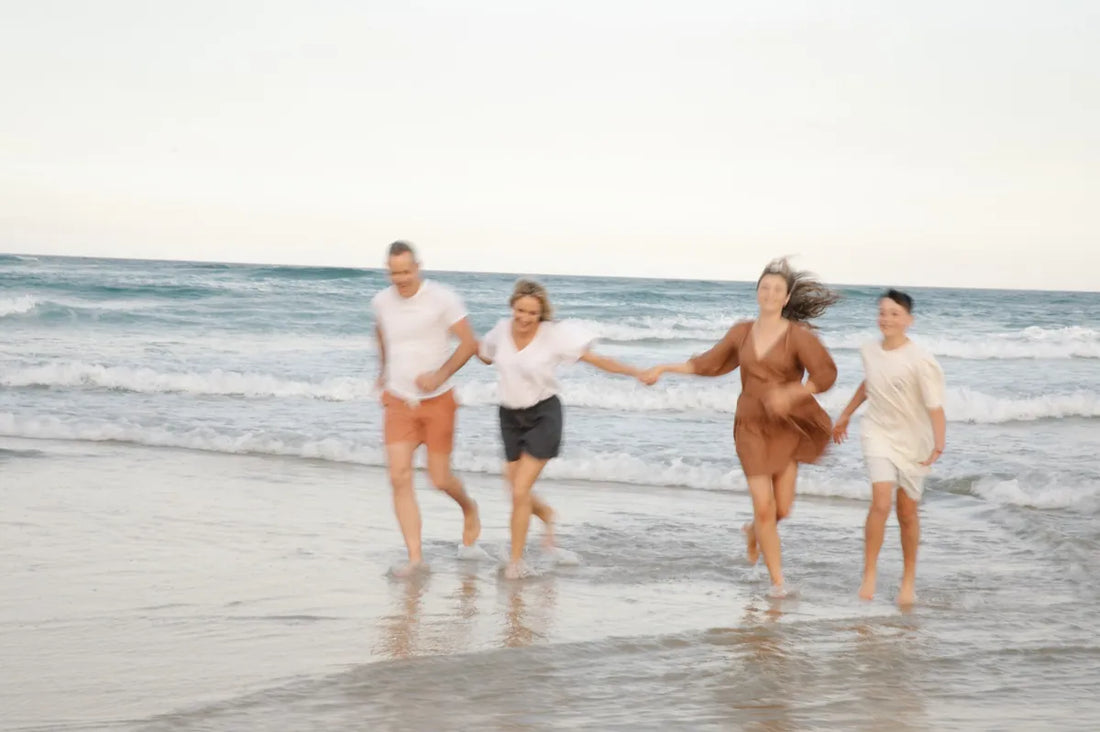


Sustainability is a rising focus for everyday people and their households in Australia, from those little substitutes that help to reduce waste to major changes like sustainable energy. It’s not a one-size-fits-all concept, but Aussies all over the country are doing their bit to try and make a difference. Whether you’re living in the country or right at the water’s edge, there’s plenty of new sustainability trends in Australia for 2026. If you’re ready to dive into something new and want some fresh inspiration, we’ve got you covered!
Why Sustainability Looks Different Across Australia
Depending on how remote or metro your location is, how you engage with everyday sustainability can look a little different. If you’re more regional, eco-friendly living might be more oriented towards self-sufficiency. That could be something like installing solar panels and having a water tank set up, or growing some of your own produce in the garden. For Aussies living in the big smoke, things like catching public transport, reusable and recyclable swaps like tote bags and reusable bottles and coffee cups are increasingly the norm.

Regional Approaches to Eco-Friendly Living
Diving a little deeper, there are plenty of initiatives that go beyond household efforts alone. Both state and federal government support is making it easier and more accessible for everyday Australians to make more sustainable choices.
For example, down in Victoria, solar rebates and interest-free loans have made renewable energy more accessible for households. Throughout New South Wales, the energy saving scheme is helping households and businesses get access to things like up to date equipment that reduce energy and gas consumption. Queensland makes it easy for households with solar panels that get an abundance of sunshine to feed the extra power back into the grid for a rebate, making green energy more accessible.
Everyone needs electricity to operate, but how we get it is changing, and these regional approaches highlight a key sustainability trend in Australia for 2026: sustainability in Australia is increasingly localised, with policies tailored to the realities of each state.
The Rise of Refill Culture and Low-Waste Homes
While opting for more sustainable power sources and renewable energy is great, sustainability goes beyond how we keep the lights switched on. Refillable options and lower waste swaps are becoming increasingly popular across the board. Back in the day, no one thought twice about bottled water, plastic grocery bags, or single-use coffee cups. Now, we’ve got reusable options for all those everyday bits of waste.
Taking it a step further, supermarkets and independent grocery stores are making it easier than ever to ditch the plastic. Now, you can take in your own glass jars or produce bags, fill them up and take everything home.

Composting is another great initiative. You might have a garden yourself and want to create nutrient-rich compost from your coffee grounds and veggie scraps. If you don’t have plants to look after, there are plenty of government run programs that take your food waste away for you. From there, they’ll make sure it re-enters the food cycle by getting broken down and used in agriculture. Not only is this far better than letting food rot in a dump where it releases carbon monoxide, but it also improves our soil quality.
There’s a growing trend of not only reducing waste where possible, but doing the right thing with the waste we can’t avoid. It’s no longer just about “big” investments like solar panels, the small, consistent habits that reduce environmental impact over time are just as important.
The Role of Australian Brands in Driving Sustainable Change
The onus of being sustainable shouldn’t fall on the government and consumers alone - brands need to be doing their bit to make sustainability more accessible. Australian brands are gradually catching up, especially when Aussie consumers are becoming increasingly more discerning where their money goes. They want more than a product that works, they also want transparency around sourcing, ingredients, production, and the long-term environmental impact.
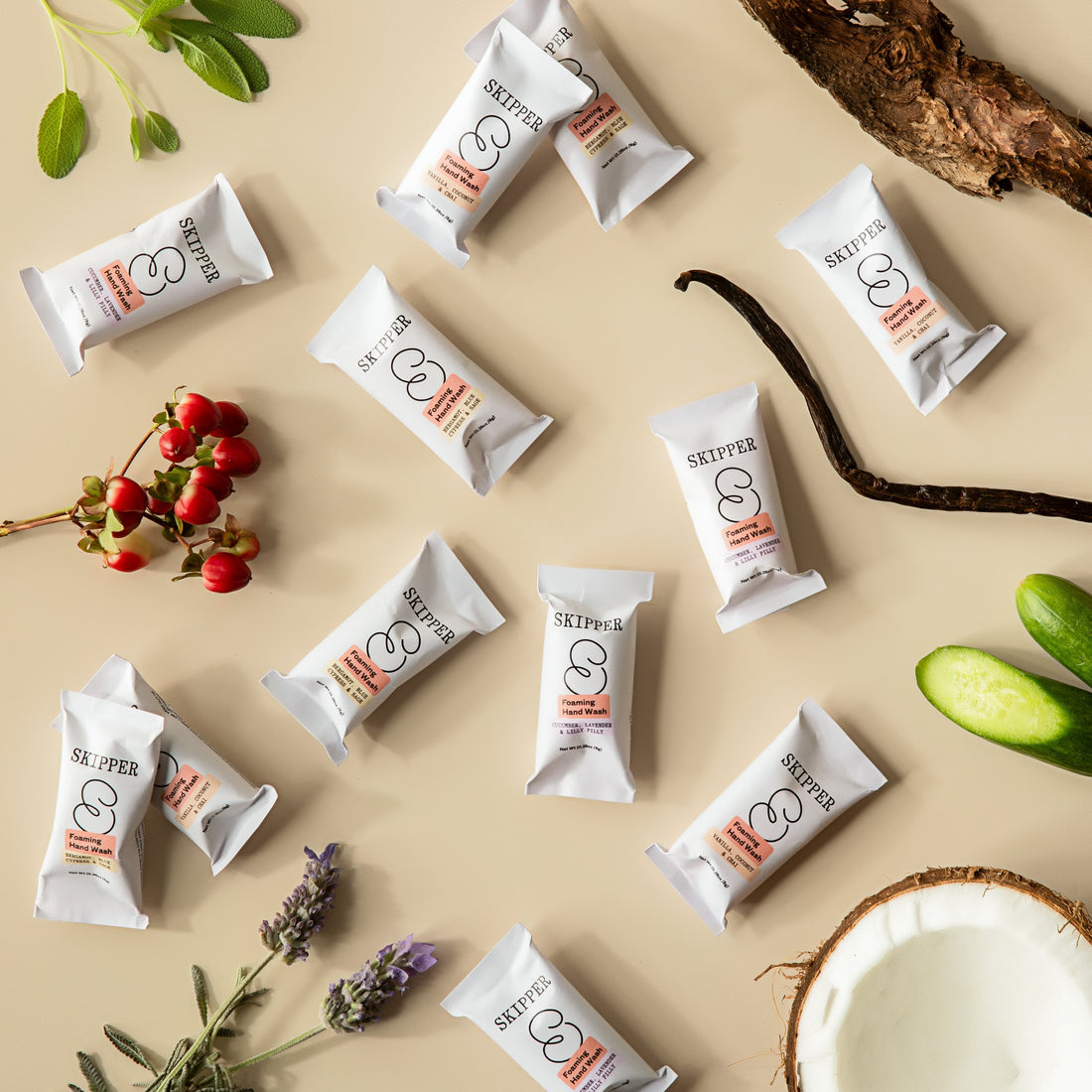
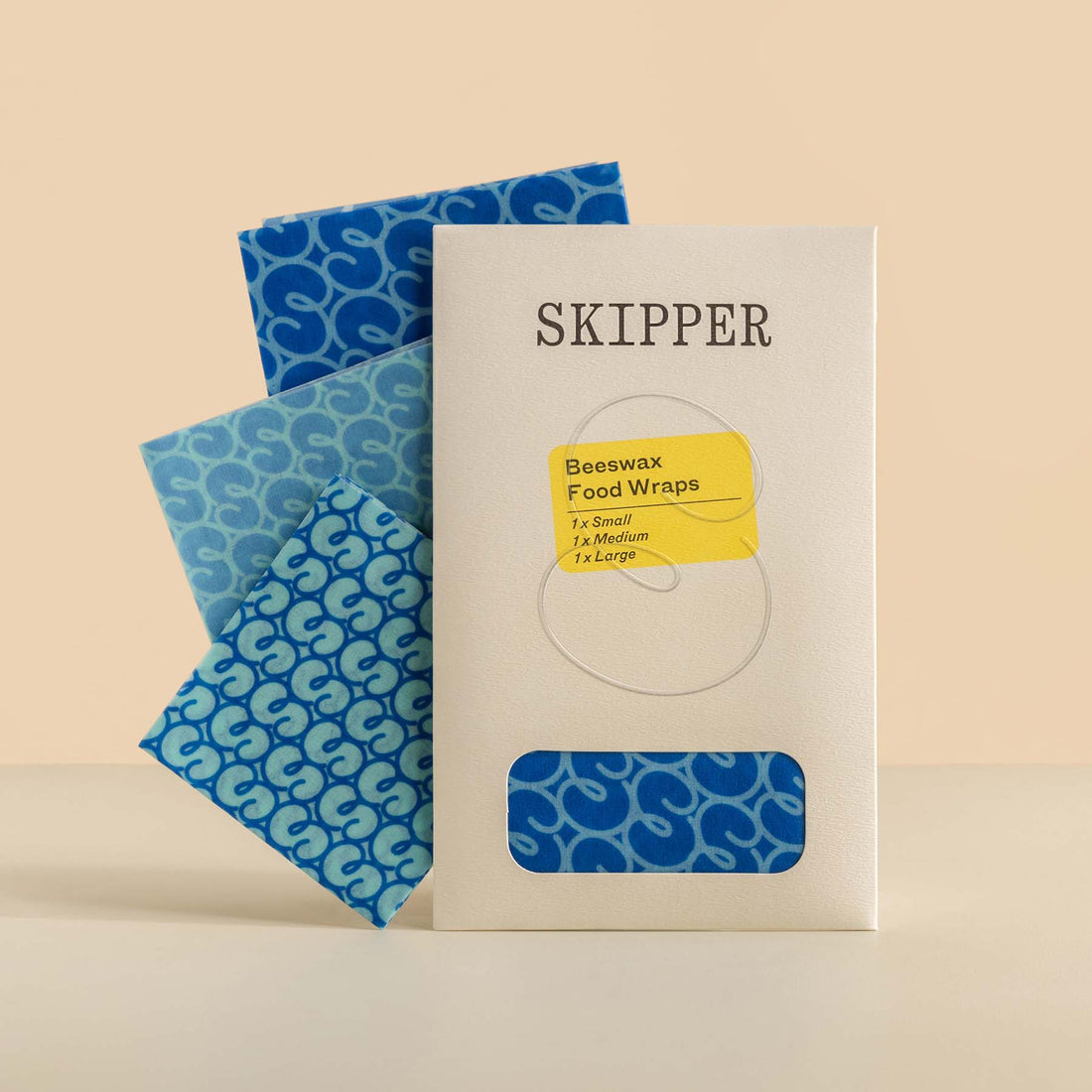
Things like reducing packaging, removing harmful chemicals from the ingredients list, making things locally, and giving customers discounts when they refill are all helping. They’re good for customers, help them save the planet (and often a bit of money as well) but also make it easier for people to make the more conscious choice. Here at Skipper, we do our best to do all of the above, along with carbon offsetting our production impact.

Everyday Actions Australians Are Taking to Live More Sustainably
To wrap up: if you’re already doing your best to do your bit for the planet, but want some more eco-friendly lifestyle tips, here’s where we recommend starting.
-
Switch to energy-efficient appliances and lighting, or check out solar panel rebates that your state government offers.
-
Reduce food waste through better planning by only buying what you need (and getting it naked instead of wrapped in plastic)
-
Anything that does go off, or that you would dispose of like veggie peels and odds and ends from cooking, pop it in a compost bin.
-
Choose reusable and refillable products over single-use options or things packaged in plastic.
-
Support Australian-made products and brands that are avoiding ingredients that are harmful to the soil and water.
-
Eat seasonal produce, or opt for a few vegetarian meals a week.
What Eco-Friendly Living Will Look Like Beyond 2026
Everything that’s going on right now as far as boosting sustainability is great, but it’s just the beginning! Ultimately, the future of sustainability in Australia will be defined by adaptability. From the bush to the beach, Australians will continue to find new ways to live more sustainably, from the small things like cleaning the dishes and doing the laundry, to how they power their homes and cars.
At Skipper, we’re doing our bit to boost the standards when it comes to everyday home cleaning and personal care, but we’ve got a whole lot more coming in 2026. We want to be at the head of these positive changes, and stay at the forefront to keep up with the new technologies, policies, and expectations of everyday Aussies.