
While past generations have dealt with things like lead paint and asbestos, microplastics are the current, complex, and pervasive forms of pollution. With a movement that’s shifting towards plastic-free products as much as possible, if you’re joining in and want to learn where microplastics come from and how you can help reduce the number of products you have in your home that contribute to their volume, we’re here to help!
What Are Microplastics and Why They’re a Problem
When you think of plastic waste, you might first think of the bigger bits that end up in the bin, like plastic cups from your morning coffee, straws from your cocktail, or plastic bags from the shops. While all of these things gradually break down into microplastics that get into our waterways and food sources, they can come from a whole lot of other places that you might not anticipate. To help limit plastic use and the volume of microplastics in our environment, understanding where they come from and how they spread is the first step toward meaningful change.
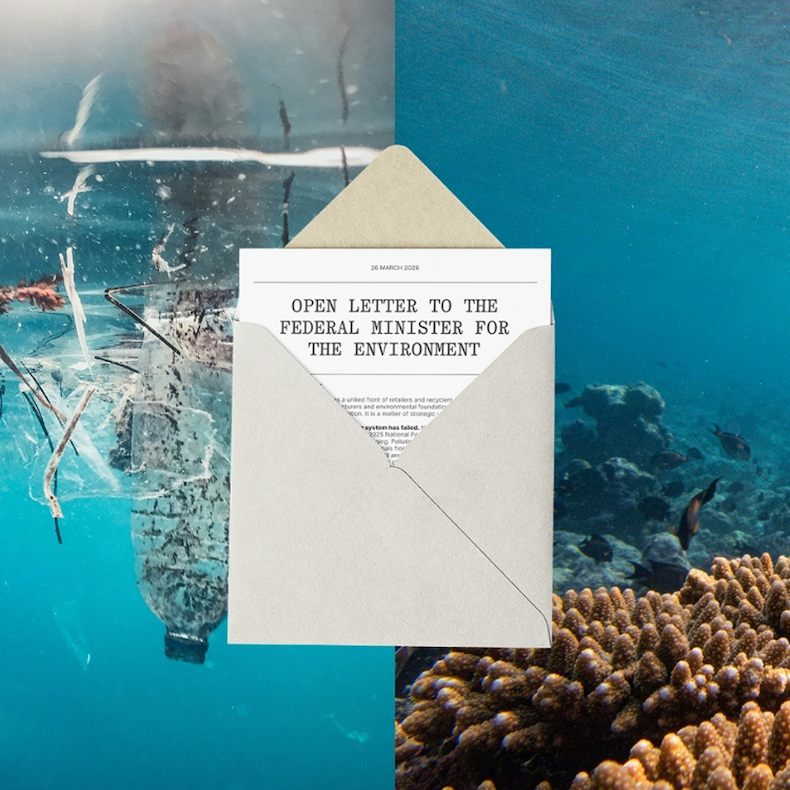
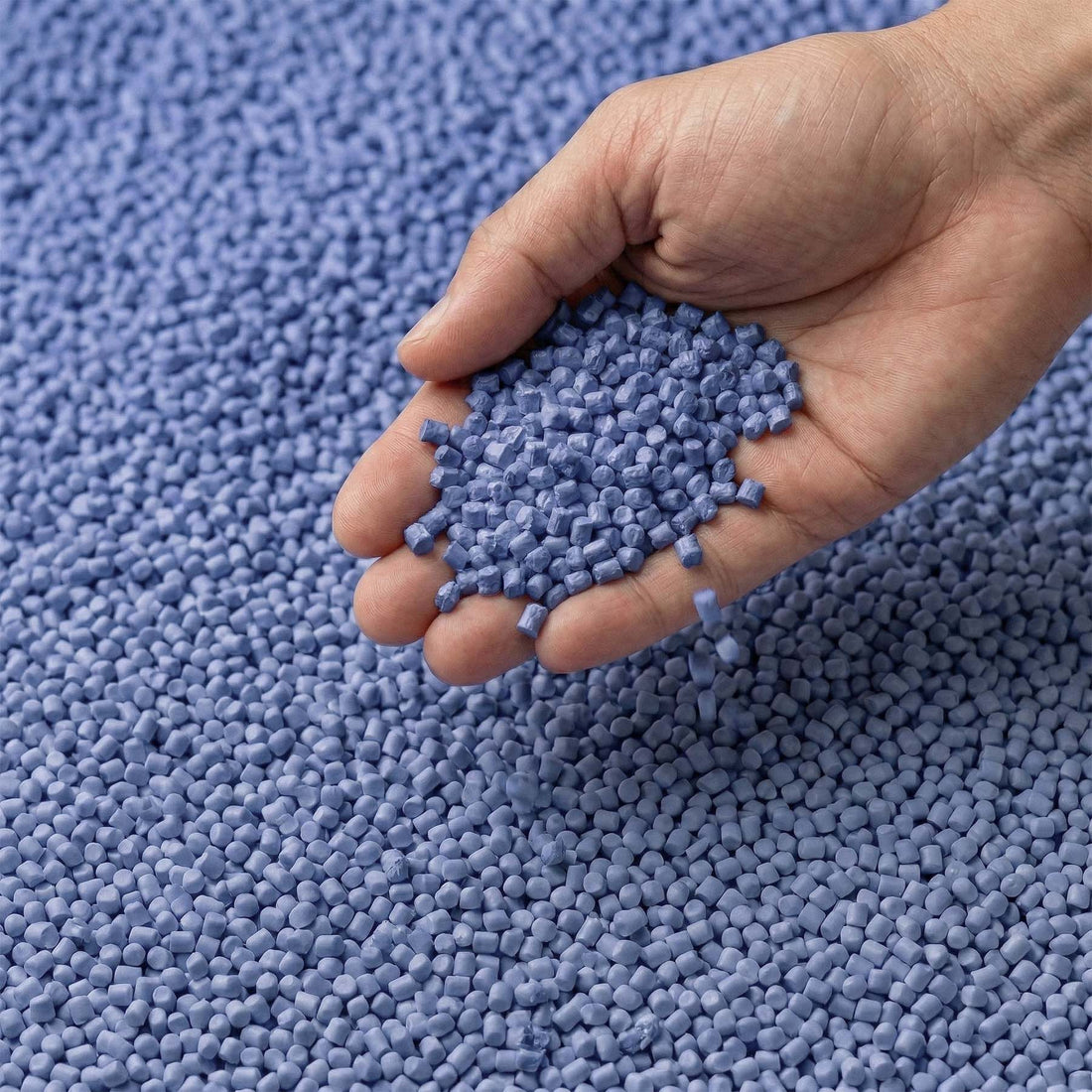
Microplastics are tiny pieces of plastic, usually with a classification of 5mm or smaller. Some you might be able to see, while others aren’t visible at all. They generally come from larger items that have started to degrade, either when they’ve been chucked into the tip, or through breaking down with regular use. It’s not technically decomposition as they don’t become a part of the soil per se, more they break down into small bits and those little pieces are persistent in our environment. They can travel in the wind or water, and can be eaten by wildlife or end up in their tiniest form in our waterways - including the water we drink.

Everyday Household Products That Release Microplastics
Back in the day, you might have heard about toothpastes and cleansers with “microbeads” that helped scrub you clean. Rather than using things like sugar, salt, or coffee grounds, guess what they really were? That’s right - they were often tiny pieces of plastic, but thankfully, companies are no longer allowed to use this form of “particle” in their products!
Beyond personal care items, one of the biggest household sources of microplastics is actually clothing and textiles. Anything that’s polyester, nylon, or spandex, are all technically plastic and when you wash them, the agitation in the washing machine breaks those fibres down a little and lets those microplastics wash down the drain with the water.
Microplastics in Cleaning Products and Synthetic Materials
Like we mentioned with the likes of toothpaste and cleansers often having little bits of plastic, household cleaning products also often contain or generate microplastics to some degree. For starters, all of the single-use plastic bottles that things like dishwashing liquid and surface cleaner will end up in the landfill sooner or later. And, similarly to synthetic clothing, textiles in the home like carpets, blankets, and upholstery can all gradually shed microplastics through gradual wear and tear. When you see dust on the shelves, some of it will be little pieces of plastic.
If you’ve ever had to replace your tyres, you’ll know how much the tread gets worn down over time. Modern tyres have plastic components, which break off on the road, resulting in more particles being released into the environment.
Health and Environmental Risks of Microplastic Pollution
When these little bits of plastic end up in our waterways, they can be consumed by things like birds, fish, and other marine life, and if we’re then consuming those animals ourselves (or they’re being eaten by their own natural predators), those bits of plastic very rapidly move up the food chain.
While the research is still currently trying to figure out exactly how this affects us on a biological level, prevention and reduction in how much waste we create is important for us as humans, but also the planet on a wider scale.
How to Reduce Microplastic Exposure at Home
While it all sounds pretty tough to fix, and needs addressing at a much larger scale, there are a few things you can do to limit how much plastic there is in your home (and by extension, the environment!).
When it comes to clothing and soft furnishings in your home, opt for natural fabrics where possible. Think wool, cotton, hemp, and linen. Even opting for fabrics that have a higher natural content can reduce the microplastic volume they release in the wash and through everyday use. The other benefit of totally natural fabrics is that, at the end of their life, they can break down and biodegrade!
While it’s a challenge to exclusively have natural fabric in your wardrobe, things like a filter in your washing machine can be a great addition to your laundry routine. You can pop your synthetic clothes in the wash and any bits that break off will be caught by the filter so you can put them in the bin. While it’s not a perfect solution, it contributes to protecting our environment!

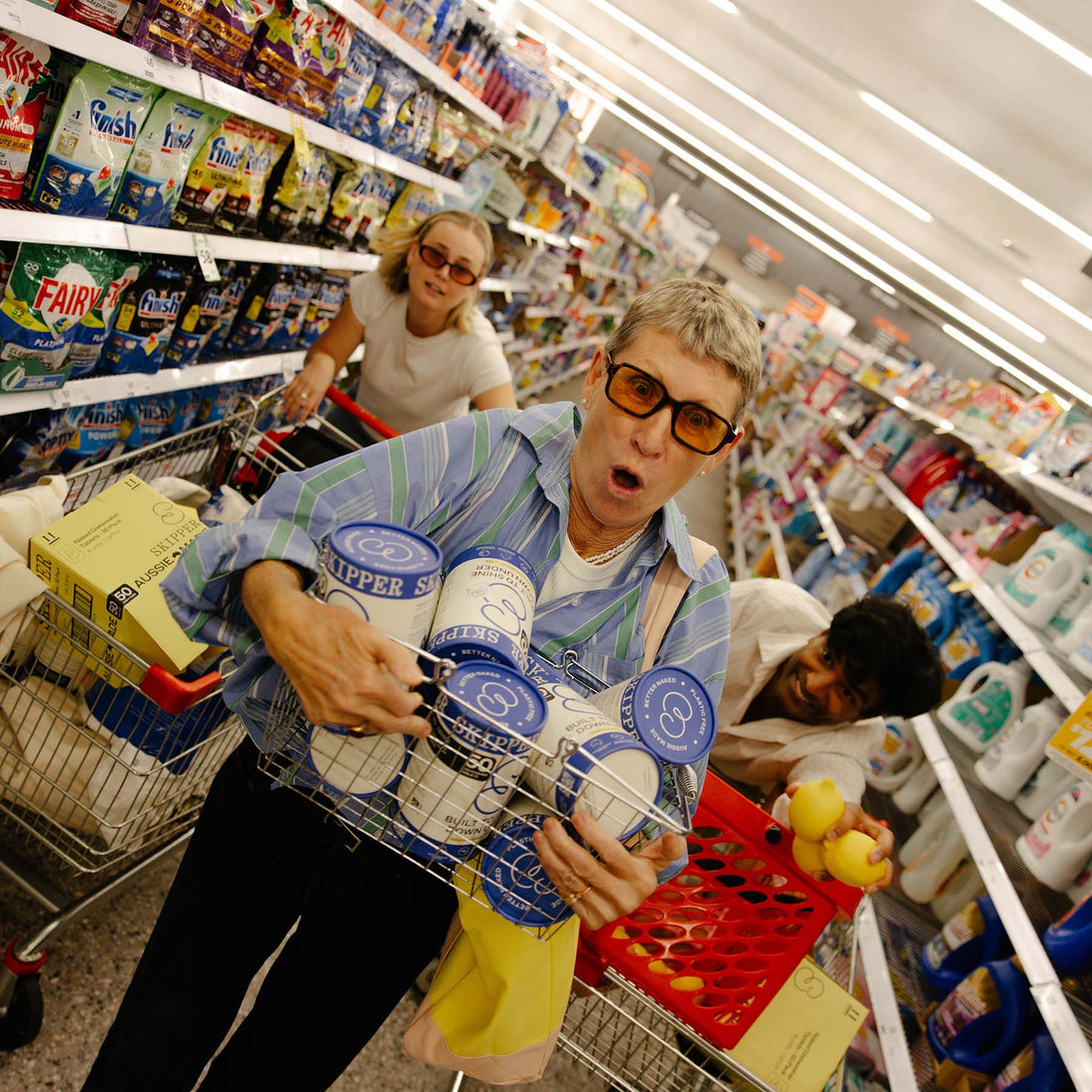
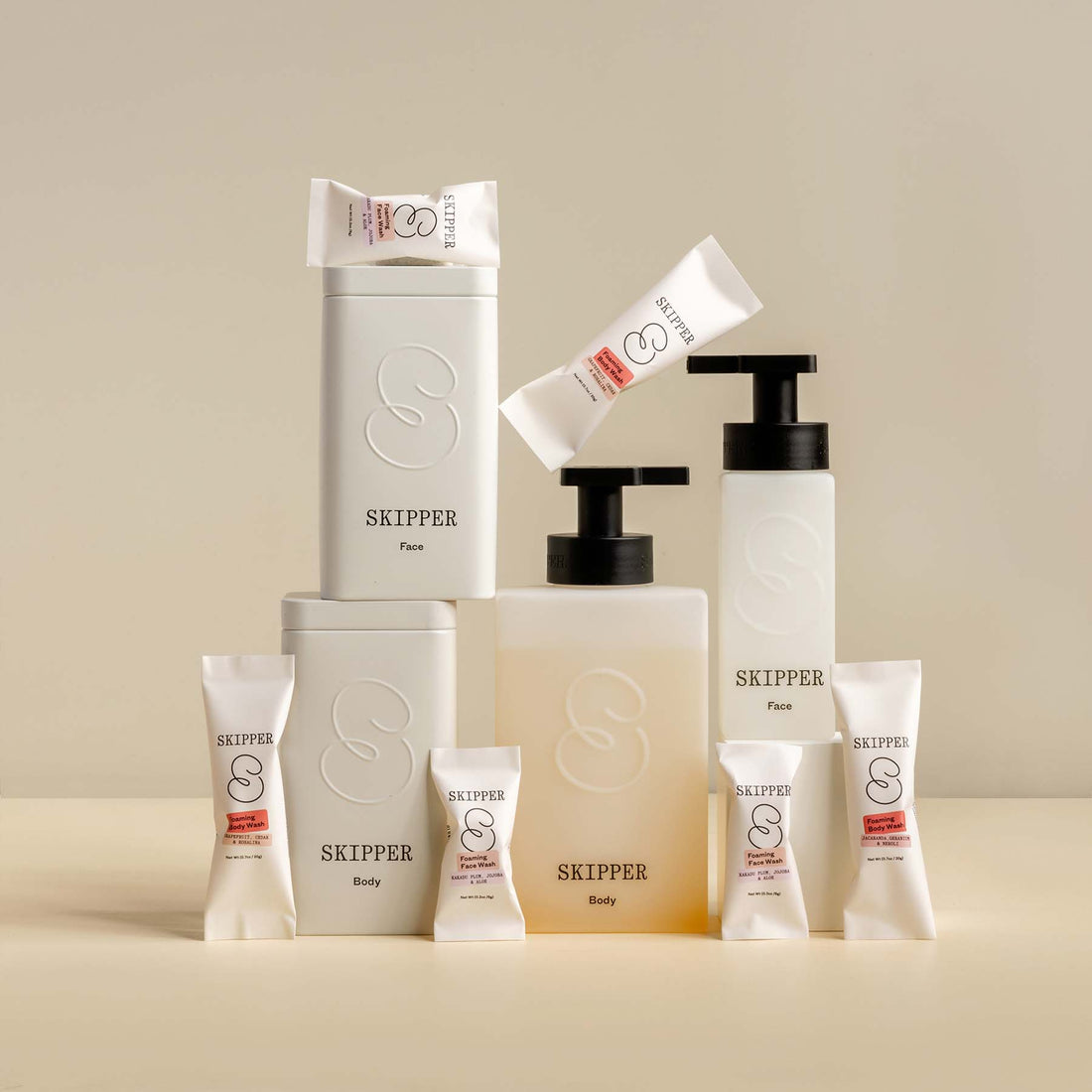
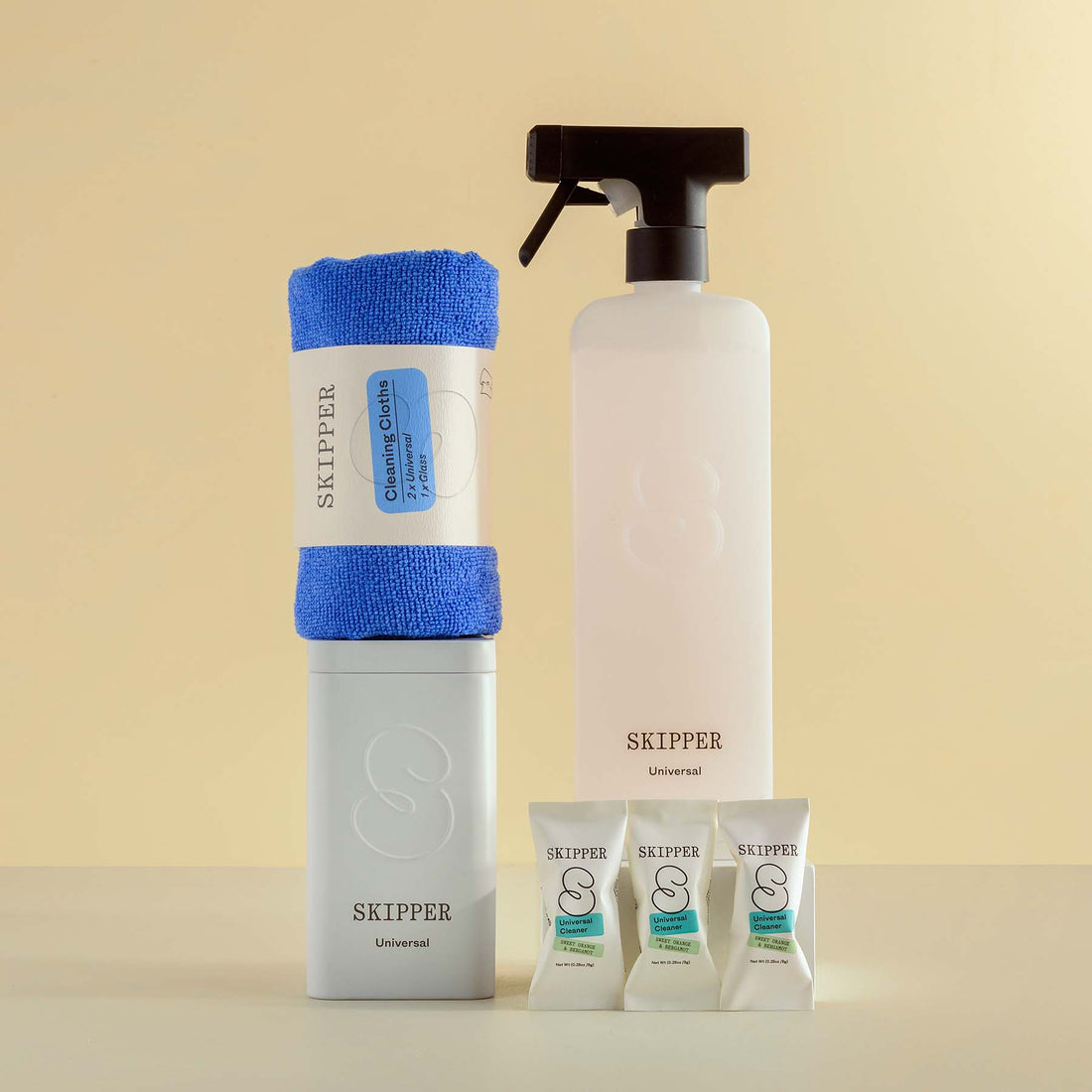
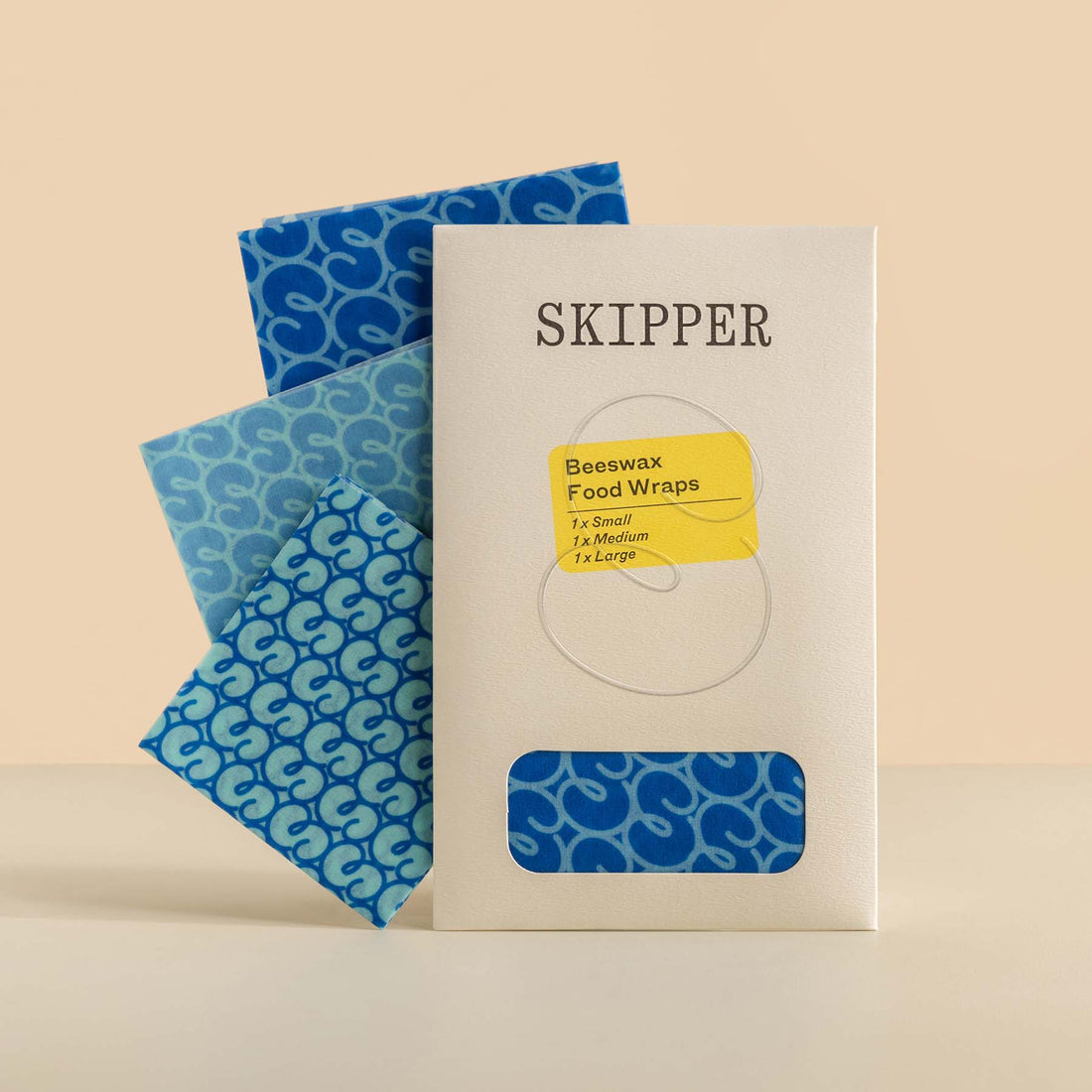
Finally, reducing the volume of single-use plastics in your home is a great way to limit how much goes in the bin (or the tip). Opt for refillable cleaning products like our universal cleaner and body care, or naked products like dishwasher tablets.
Every little bit helps, and it’s good for you, good for the planet and often much better for your bank balance in the long term too!