
For decades, we’ve been fed a beautiful, green-washed story. We were told that if we just rinsed our yogurt containers and sorted our bins, we were doing our part to save the planet. It’s a nice thought. It’s also a calculated lie.
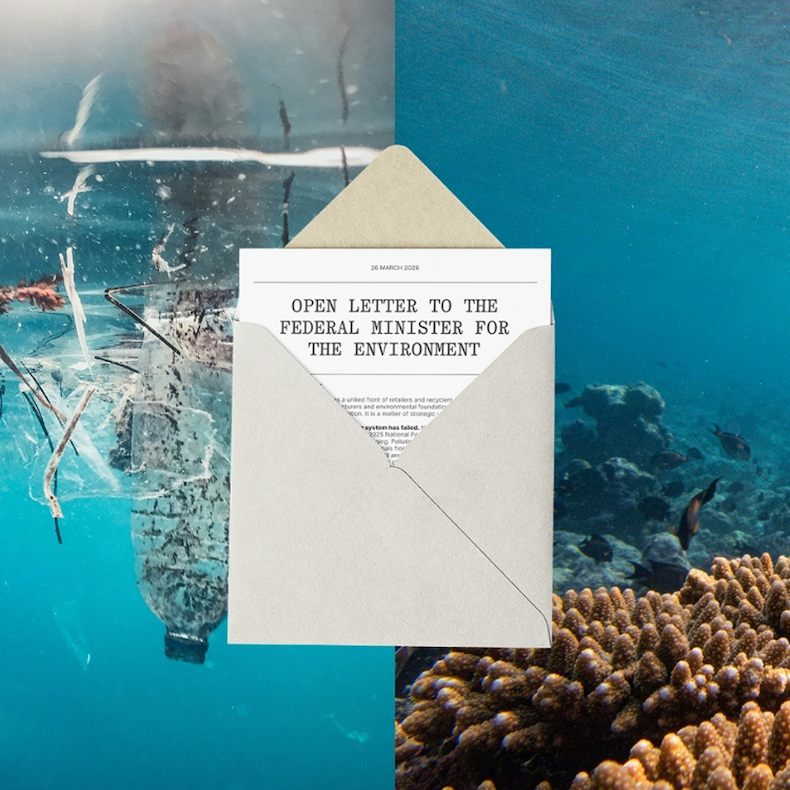
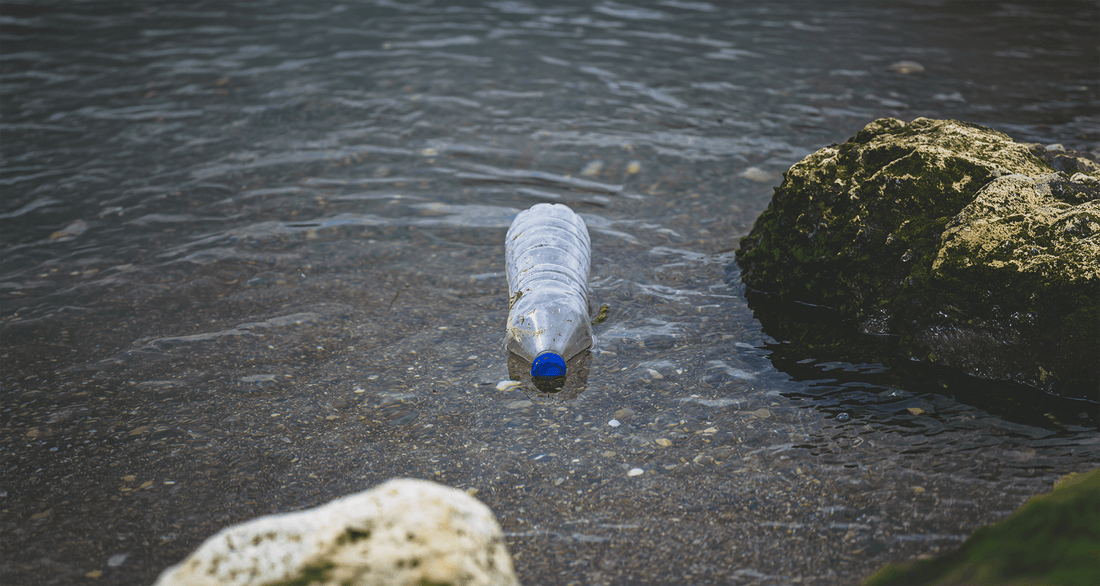
The reality? The global waste system isn’t just under-resourced. It’s fundamentally broken. At our current pace, the weight of plastic in the ocean will exceed the weight of all fish by 2050. To solve it, we have to stop talking about recycling as a hobby and start talking about systemic change.

The Corporate Sleight of Hand
The idea that plastic pollution is an individual responsibility was masterfully engineered by the world’s biggest polluters. Multinational corporations churn out trillions of pounds of single-use plastic because virgin plastic (made from oil) is incredibly cheap. To keep it that way, they externalise the costs. They get the profit from the bottle, while you, the taxpayer, and the environment get the bill for the waste.
By funding massive "Keep Our Country Beautiful" campaigns, they shifted the narrative:
The Problem: Is now "littering" (your fault).
The Solution: Is now "the recycling bin" (your job).
They’ve sold us the myth of the recycling bin while knowing full well that only about 9% of all plastic ever made has actually been recycled.
The Gold Standard: Extended Producer Responsibility (EPR)
Let’s be honest: the absolute best way to fix this is Extended Producer Responsibility (EPR).
EPR is a policy shift where the "shitty multinationals" making the plastic are held legally and financially responsible for it until the very end of its life. If a brand puts a bottle into the world, they should be the ones paying to get it back. EPR is the heavy hitter because it forces brands to design packaging that isn't trash in the first place.
We will always lobby for EPR, for government leadership, and for true brand responsibility. That is the macro-fix the world needs.
Where Valorisation Fits In

If EPR is the long-term revolution, Waste Valorisation is our immediate tactical strike. While we wait for governments to grow a backbone and hold big brands accountable, billions of tons of plastic are still leaking into our oceans. We can’t wait for a perfect law to start cleaning up a perfect mess.
Valorisation might sound like a $10 academic word or a Roman gladiator’s pre-game ritual, but it’s a radical shift in power. It is about making plastic waste too valuable to throw away.
The "Worthless to Wanted" Journey
In simple terms, valorisation is the process of making plastic waste valuable. Here is the "Worthless to Wanted" journey:
-
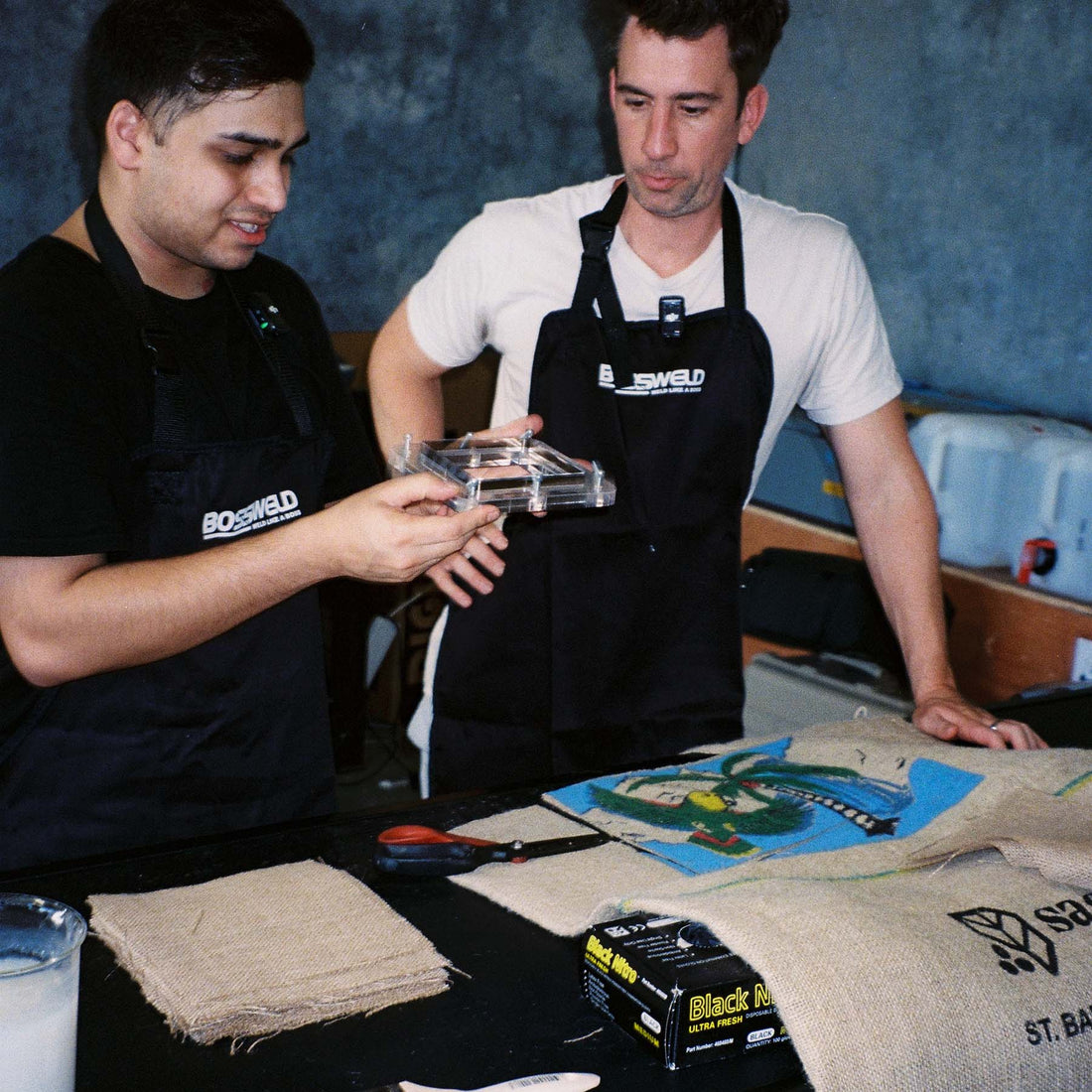
The Raw Material: We take low-value plastic that would otherwise be dumped or burned.
-
The Transformation: We hand-craft it into high-value, "lil' bit sexy" products.
-
The Market: By creating something you actually want in your home, we create a real market demand for that waste.
This is a Functional Protest
We are done with feel-good collection. That’s just a band-aid on a bullet wound. We’re interested in real-good systemic disruption.
Our first major project, the Dish Caddy, is more than just a kitchen essential. It is a trophy for your home that proves "worthless" is just a lack of imagination.